Learn the Perks of Liquid Stevia: Your Complete Guide to Organic Sweetening
Liquid stevia, extracted from the Stevia rebaudiana plant, presents a natural alternative to traditional sweeteners. This no-calorie option continues to grow popular for its potential health advantages, especially among those managing weight or blood sugar levels. Its versatility in the kitchen further enhances its appeal. However, many stay unaware of its full range of benefits and practical applications. Grasping these can transform how one pursues sweetening in their nutrition.
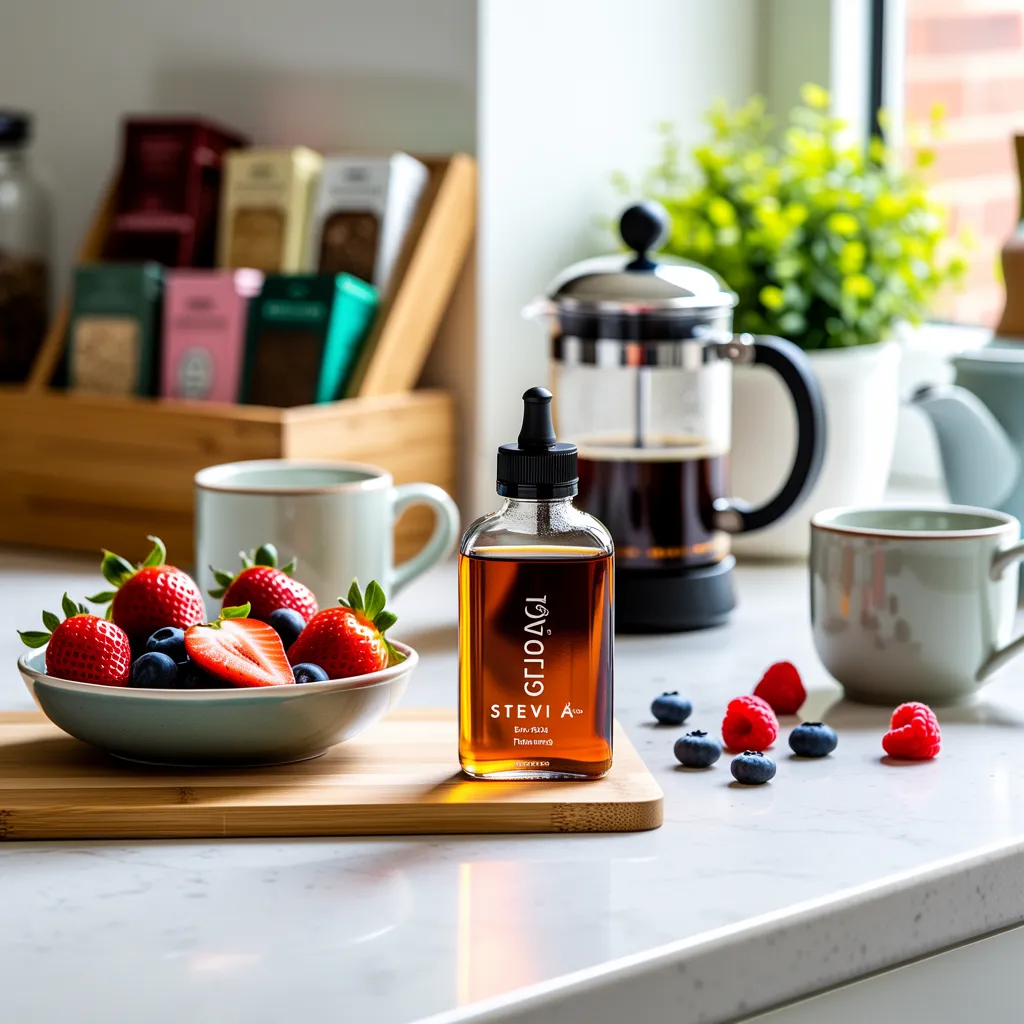
The Source of Liquid Stevia: Nature's Sweet Solution
Liquid stevia, a natural sweetener source extracted from the leaves of the Stevia rebaudiana plant, has achieved significant popularity as a superior alternative to sugar. Native to South America, namely Paraguay and Brazil, stevia has been utilized for hundreds of years by indigenous communities for its sweetness and therapeutic qualities. The plant was initially recorded in the 16th century by Spanish explorers, who identified its use by the Guarani people.
In the 20th century, stevia commenced receiving universal recognition as a prospective sugar replacement. Its bioactive substances, primarily stevioside and rebaudioside A, supply sweetness devoid of calories, making it an appealing choice for those aiming to cut back on sugar intake. The extraction process alters the plant's leaves into a potent liquid form, guaranteeing that the inherent taste is preserved. As wellness awareness rises, the origins of liquid stevia stress its attraction as a environmentally responsible and pure sweetening option.
Why You Should Select Liquid Stevia Instead of Sugar?
Many health-conscious individuals are steadily choosing liquid stevia over standard sugar due to its considerable benefits. One key advantage is its zero-calorie content, making it an desirable option for those regulating their weight or blood sugar levels. Unlike sugar, which can lead to surges in glucose and insulin, liquid stevia has a minimal effect on blood sugar, making it ideal for diabetics and those looking to lower their sugar intake.
Furthermore, liquid stevia is derived from the leaves of the Stevia plant, providing a organic substitute to artificial sweetening agents. It also includes antioxidants, which may provide added health benefits. Moreover, its dense composition means that only a minimal quantity is required to attain the wanted level of sweetness, making it cost-effective over time.
Creative Approaches to Use Liquid Stevia in Your Recipes
Transforming traditional dishes is simple with the addition of liquid stevia, a flexible sweetening agent that can enhance flavors without the added calories. This natural sweetener can be easily integrated into a variety of dishes. For drinks, a few drops of liquid stevia can flavor coffee, tea, or smoothies, providing a revitalizing twist without excess sugar.
For baking, liquid stevia can swap out sugar in cakes, muffins, and cookies, allowing bakers to make tasty desserts that accommodate diet-aware individuals. It can also be included in salad dressings, marinades, and sauces, adding a touch of sweetness to lessen acidity.
For savory dishes, a touch of stevia can improve flavors in soups and stews. Additionally, it acts as an superb sweetening agent for yogurt or oatmeal, making breakfast both nutritious and satisfying. The possibilities are endless, showcasing liquid stevia's flexibility in the kitchen.
Key Health Perks of Liquid Stevia You Must Learn
While traditional sweeteners can result in weight gain and health issues, liquid stevia provides a natural substitute that delivers beneficial effects. This natural sugar replacement contains zero calories, making it a perfect option for weight management and those monitoring their caloric intake. Research indicates that liquid stevia may help regulate blood sugar levels, making it suitable for individuals with diabetes or those aiming to reduce sugar consumption.
Liquid stevia also offers antioxidant effects, which can help overall health by reducing oxidative stress. It might have anti-inflammatory effects as well, potentially aiding those with inflammatory conditions. Unlike artificial sweeteners, liquid stevia does not disrupt gut health, promoting a balanced digestive system. Furthermore, it can enhance the flavor of foods and drinks without the negative effects linked to high sugar consumption. Overall, liquid stevia functions as a multi-use and health-conscious sweetening option for diverse dietary needs.
Assessing Liquid Stevia Against Other Natural Sweetening Alternatives
Liquid stevia stands out among organic sugar alternatives due to its unique taste profile, which can differ markedly from alternatives like honey or agave syrup. Additionally, its calorie-free composition provides a clear benefit for those tracking their calorie consumption. An summary of the wellness advantages further illustrates how liquid stevia compares to other options in the market.
Palate Profile Assessment
In what way does the flavor of liquid stevia measure up to other natural sweeteners? Liquid stevia offers a distinctive sweetness that can be considerably more powerful than alternatives like honey or agave syrup. While honey presents a floral and rich flavor, liquid stevia tends to feature a cleaner, direct taste, often described as less complex. Agave syrup, conversely, has a gentle and thick flavor that can sometimes overshadow other flavors in cooking applications. Numerous consumers of liquid stevia indicate a mild lingering sensation, a trait that may not appeal to all people. Overall, while liquid stevia offers a zero-calorie choice, its unique flavor may need adjustment for those used to the flavors of other natural sweeteners.
Analysis of Caloric Content
Caloric content serves as an vital part in the comparison of sweeteners, particularly when evaluating liquid stevia against its natural counterparts. Liquid stevia excels due to its non-caloric nature, making it an appealing option for those working to reduce overall caloric intake. In contrast, other plant-based sweeteners, such as honey and agave nectar, contain calories that can impact daily energy consumption. For instance, one tablespoon of honey contains approximately 64 calories, while agave nectar has around 60 calories per tablespoon. This notable difference highlights liquid stevia's edge for individuals dedicated to weight management or calorie restriction. Ultimately, understanding these nutritional differences aids consumers in reaching informed choices tailored to their dietary needs.
Health Advantages Summary
The nutritional advantages of liquid stevia make it a compelling alternative to other natural sweeteners. Unlike honey or maple syrup, which contain calories and sugars, liquid stevia is calorie-free and does not raise blood sugar levels, making it suitable for diabetics and those managing weight. Additionally, stevia is derived from the leaves of the Stevia rebaudiana plant, offering a natural option without artificial additives. Research suggests that stevia may have antioxidant properties and could potentially lower blood pressure. In comparison to agave nectar, which is high in fructose, stevia presents a safer choice for long-term health. Overall, liquid stevia's unique benefits make it a favored option among health-conscious consumers.
Advice for Maintaining and Dosing Liquid Stevia
Effective storage and accurate quantification of liquid stevia are vital for maximizing its advantages. By comprehending correct storage methods and longevity factors, consumers can maintain the sweetener's potency. Additionally, utilizing exact dosing techniques guarantees that recipes achieve the intended sweetness without variations.
Correct Keeping Approaches
Proper storage of liquid stevia is crucial to preserve its flavor and potency. Ideally, it should be stored in a dark, cool location, distant from heat sources and direct sunlight. This prevents breakdown of its sweetening properties. A tightly sealed vessel is recommended to avoid exposure to air and moisture, which can alter its effectiveness and taste. Chilling is not necessary but can extend longevity if the item has been unsealed. Additionally, checking the expiry date guarantees that the stevia remains fresh. When stored correctly, liquid stevia can retain its quality for an extended period, providing a dependable sweetening solution for multiple cooking uses. Proper practices ultimately improve the overall user experience.
Exact Measuring Strategies
Correct ways to measure are key when using liquid stevia to secure the intended sweetness in recipes. Because of its high potency, a tiny amount of liquid stevia can notably change the taste of a dish. It is best to use a measuring dropper or spoon to keep precision, as even a slight overestimation can cause an too sweet result. For recipes that require particular sweetness levels, beginning with a small amount and increasing it gradually allows for better control. Additionally, keeping a conversion chart nearby helps when replacing sugar with stevia, as ratios may vary. Proper measurement of liquid stevia not only improves the culinary experience but also ensures health benefits are optimized without excess sweetness.

Product Longevity Considerations
While liquid stevia provides a sweet alternative to sugar, understanding its longevity and storage requirements is essential for maintaining its quality. Proper storage can greatly extend its functionality. It is suggested to keep liquid stevia in a cool, dark place, distant from heat sources and direct sunlight. Closing the bottle tightly helps avoid contamination and oxidation, which can alter its flavor and sweetness.
Typically, unopened read the facts liquid stevia can remain usable for up to two years, while opened bottles may stay fresh for one year or less, based on storage conditions. Regularly inspecting for alterations in flavor or look can also show if the product is still appropriate for use. Careful handling guarantees the durability of this natural sweetener.
Debunking Common Misconceptions About Liquid Stevia
What misconceptions encompass liquid stevia? One frequent myth is that liquid stevia is overly processed and unnatural. In reality, high-quality liquid stevia is derived from the leaves of the Stevia rebaudiana plant and undergoes very little processing to extract its sweet compounds. Another misconception is that stevia has a bitter aftertaste. While some may perceive this, many brands offer formulations that minimize or eliminate this effect, providing a pleasant sweetness. Additionally, some people believe liquid stevia is not safe for consumption. However, extensive research indicates that stevia is generally recognized as safe by regulatory agencies, including the FDA. Finally, many assume that using stevia will lead to weight gain; on the contrary, it is a zero-calorie sweetener that can aid in weight management. By debunking these myths, individuals can make more informed choices regarding their sweetening options.
Often Posed Questions
Is Liquid Stevia Suitable for Children and Pregnant Women?
Liquid stevia is typically viewed harmless for children and mothers-to-be when used in moderation. However, it is suggested for individuals in these groups to consult healthcare professionals before integrating it into their diets.
Does Liquid Stevia Create Digestive Discomfort?
Liquid stevia could lead to stomach discomfort in certain people, especially when taken in large amounts. Effects may include gas and bloating. Yet, the majority of individuals handle it effectively, experiencing few or no adverse effects.
How Does Liquid Stevia Impact Blood Sugar Levels?
Liquid stevia does not spike blood sugar levels, making it a popular selection for those handling diabetes or watching glucose. Its natural compounds offer sweetness without the carbs associated with traditional sugars.
Is liquid stevia extract Suitable for vegan dietary choices?
Liquid stevia aligns with vegan diets, because it is obtained from the leaves of the Stevia rebaudiana plant. This organic sweetening agent includes no animal products, rendering it a compliant choice for those living according to vegan principles.
Understanding the Expiration Timeline of Liquid Stevia
Liquid stevia normally has a shelf life of about two to three years when stored properly in a dark, cool area. Its endurance depends on the brand and formulation, so checking labels is advisable.